How many steps per day should you walk to lose weight?
There is no universal step count that guarantees weight loss, and 10,000 steps is not a metabolic threshold. A useful target is your current seven-day average plus 1,000 to 2,000 steps, increased gradually until you are consistently active and your weight trend responds. A practical progression is to add manageable walking time or strength-training repetitions before making workouts dramatically harder.
The practical answer: start from your own baseline
Track normal activity for seven days without deliberately walking more, then calculate your average. Someone averaging 3,500 steps will usually get more value from progressing toward 5,000 or 6,000 than from attempting 10,000 immediately and abandoning the plan.
Many adults eventually use 7,000 to 10,000 daily steps as a practical range, but the right endpoint depends on walking speed, body size, diet, health, and available time. Weight loss occurs when total energy expenditure exceeds energy intake over time; a step target simply helps influence that equation.
- Below 5,000 steps now: add approximately 1,000 daily steps and hold that level for one to two weeks.
- Between 5,000 and 8,000: add 1,000 to 2,000 steps, including at least one purposeful brisk walk.
- Already above 8,000: improve pace, hills, or consistency before chasing a much larger number.
- Use a weekly average so one quiet day does not make the plan look unsuccessful.
Steps and exercise minutes measure different things
A step counter captures errands, household movement, and exercise, but it does not measure effort accurately. As a general health target, adults commonly work toward at least 150 minutes of moderate aerobic activity weekly, plus muscle-strengthening activity on two days; some people need more activity or food changes to produce meaningful weight loss.
Make more of your steps purposeful
A brisk walk usually means breathing faster while remaining able to speak in short sentences. Roughly 100 steps per minute is sometimes used as a convenient brisk-walking cue, but stride, age, fitness, terrain, and mobility make the talk test more useful than a rigid cadence.
If every step is slow or interrupted, increasing the total still helps daily movement, but adding a continuous 10- to 30-minute walk can raise the exercise dose without requiring an extreme step count.
- Walk for 10 minutes after one or two meals.
- Use gentle hills or brief faster intervals once ordinary walking feels comfortable.
- Keep easy recovery days rather than making every walk hard.
- Choose supportive shoes and increase distance before adding steep terrain.
Does walking target belly fat?
Walking cannot selectively remove abdominal fat. It can contribute to overall fat loss, and waist size may decrease as total body fat changes, but genetics and sex influence where change appears first. Resistance exercise helps preserve muscle during energy restriction; progress is easier to see in performance as well as scale weight.
Supplements for Steps Per Day To Lose Weight

LivPure
LivPure combines milk-thistle silymarin, betaine, berberine and glutathione with green-tea compounds to support normal liver function and fat metabolism. Berberine is included for metabolic wellness, while milk thistle and glutathione focus on liver and cellular antioxidant support. Alongside steps per day to lose weight, the liver-support nutrients contribute to normal metabolic processing and antioxidant wellness.

Ikaria Juice
Ikaria Lean Belly Juice brings together plant antioxidants from green tea, berries and beetroot with prebiotic inulin and probiotic cultures for digestive wellness. Prebiotic inulin and the probiotic blend address digestive balance, while green tea and citrus pectin add distinct botanical and fiber components. For steps per day to lose weight, digestive comfort from inulin and probiotics can support consistency with meal and activity routines.
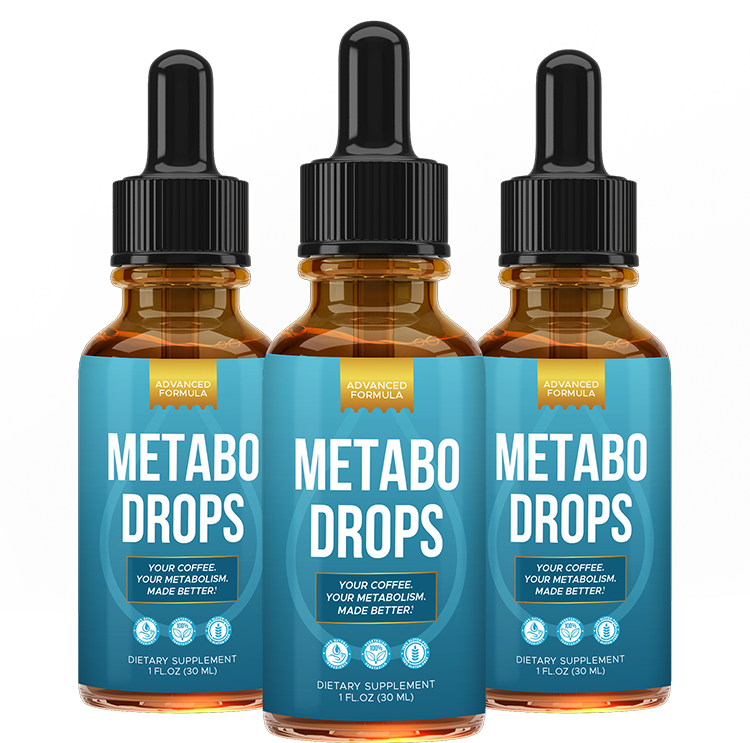
Metabo Drops
Metabo Drops is a coffee-mix formula combining chromium for normal macronutrient metabolism with chlorogenic acid, green tea, L-carnitine and L-theanine. Green tea and chlorogenic acid supply plant polyphenols, while chromium and L-carnitine give the formula its nutrient-metabolism focus. With steps per day to lose weight, L-carnitine’s role in fatty-acid transport complements an active routine, while L-theanine supports steady alertness.
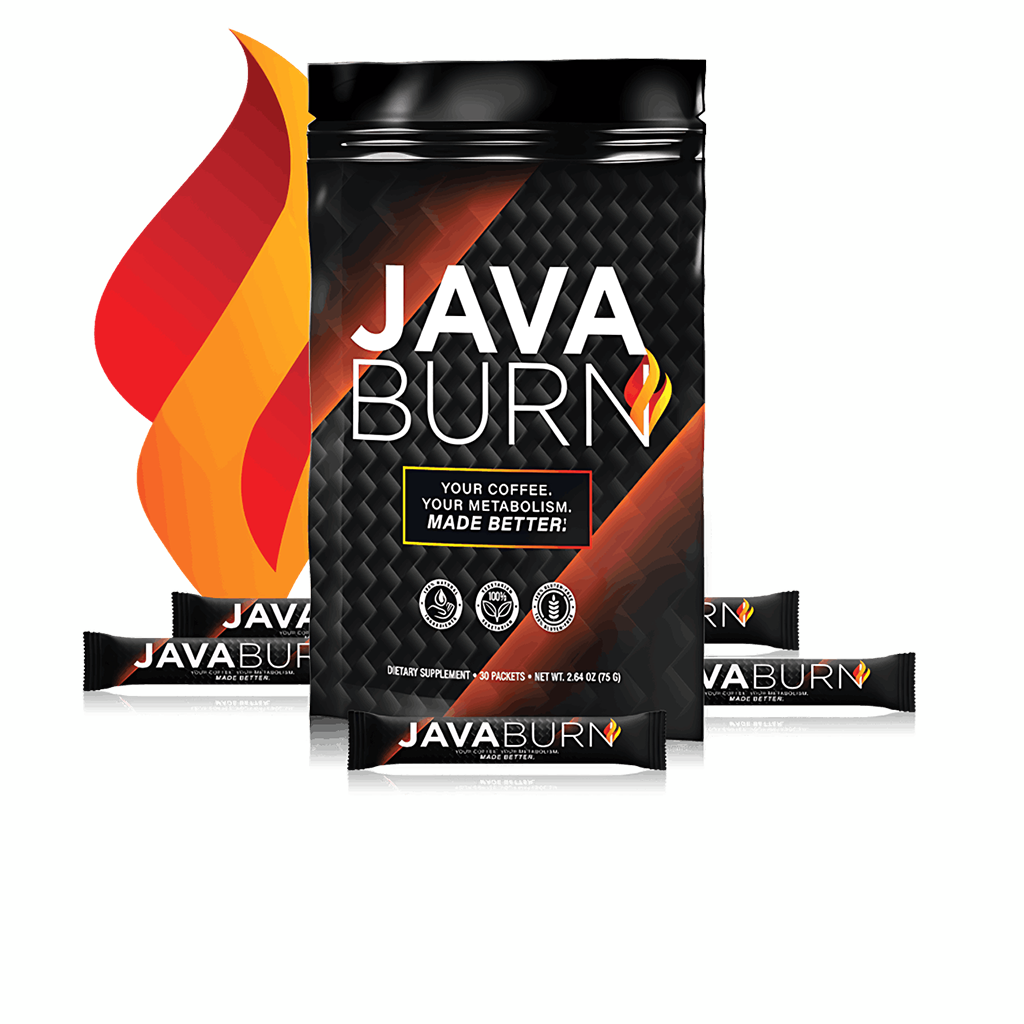
Java Burn
Java Burn combines green tea catechins and chlorogenic acids with chromium, L-carnitine and L-theanine in a single-serving coffee powder. The formula pairs a coffee-friendly metabolic blend with L-theanine for focus and B vitamins for normal energy-yielding metabolism. With steps per day to lose weight, L-carnitine’s role in fatty-acid transport complements an active routine, while L-theanine supports steady alertness.

HepatoBurn
The HepatoBurn formula pairs liver-support nutrients such as choline and betaine with milk thistle, glutathione, green tea and resveratrol. Choline and betaine support normal liver lipid metabolism, while silymarin, glutathione and resveratrol add an antioxidant emphasis. Alongside steps per day to lose weight, the liver-support nutrients contribute to normal metabolic processing and antioxidant wellness.

AquaBurn
AquaBurn combines green-tea catechins, resveratrol, fucoxanthin from seaweed, quercetin, ginger, ginseng and turmeric. Fucoxanthin and green tea give AquaBurn a metabolism-focused botanical profile, complemented by ginger, ginseng and plant polyphenols. With steps per day to lose weight, ginseng and plant polyphenols add a vitality and antioxidant angle to the daily routine.
Flat Belly Shake
Flat Belly Shake uses a mix-with-water format to make a planned shake easier to fit into busy mornings and structured eating schedules. Its measured drink format is useful for setting a consistent portion, especially when breakfast is routinely skipped or replaced with unplanned snacks. For steps per day to lose weight, the product’s nutrition and wellness role is separate from the adaptations built through training.
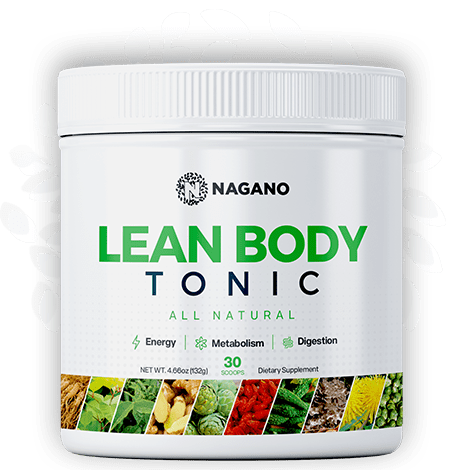
Nagano Tonic
Nagano Tonic is a powdered drink mix made with botanicals and nutrients including camu camu, green-tea EGCG, mangosteen, ginger and inulin. Its formula is promoted for daily metabolic, energy and digestive support; it is not a substitute for balanced nutrition or medical care. When comparing options alongside steps per day to lose weight, review the ingredient label and seller terms before ordering.
Pair walking with an eating pattern you can repeat
It is easy to replace the energy used during a walk with a large drink, snack, or restaurant meal. Build meals around vegetables or fruit, a satisfying protein source, high-fiber carbohydrates, and portions that fit your goals rather than treating steps as permission to eat without limits.
The best diet for weight loss is not necessarily the one producing the fastest first week. A modest, sustainable calorie reduction preserves more flexibility and is generally easier to maintain than a cleanse, severe restriction, or an entire food-group ban.
- Drink water routinely and count calories from sweetened beverages and alcohol.
- Include protein at meals to support fullness and muscle maintenance.
- Plan a post-walk meal or snack instead of making an impulsive choice when hungry.
- Keep strength training in the week so weight loss is not driven only by reduced lean mass.
Judge the plan by trends, not promises
Body weight fluctuates with hydration, sodium, carbohydrate intake, digestion, and the menstrual cycle. Weigh under similar conditions several times a week if that feels appropriate, then compare weekly averages over at least three to four weeks.
If neither weight nor waist measurements change, add a manageable amount of activity or adjust food portions—not both dramatically at once. Step watches also differ in accuracy, so use the same device and focus on its trend.
- Record daily steps and one weekly step average.
- Track waist circumference no more than every two to four weeks.
- Note walking duration, pace, sleep, and unusual soreness.
- Reassess after several consistent weeks rather than after a single weigh-in.
Frequently Asked Questions
It can support weight loss, but it does not guarantee it. Walking intensity, food intake, body size, and consistency determine whether 10,000 steps contributes to a sustained calorie deficit.
Possibly, especially if 5,000 is a substantial increase from your baseline and your eating pattern creates an overall energy deficit. It may be an effective first milestone rather than a final target.
No. Short walks and routine movement count, although including some continuous brisk walking helps provide a clearer aerobic exercise stimulus.